
7 Questions to Ask on an Assisted Living Tour
Use these seven questions to compare assisted living residences with greater confidence and understand care, staffing, daily life, costs, and communication.
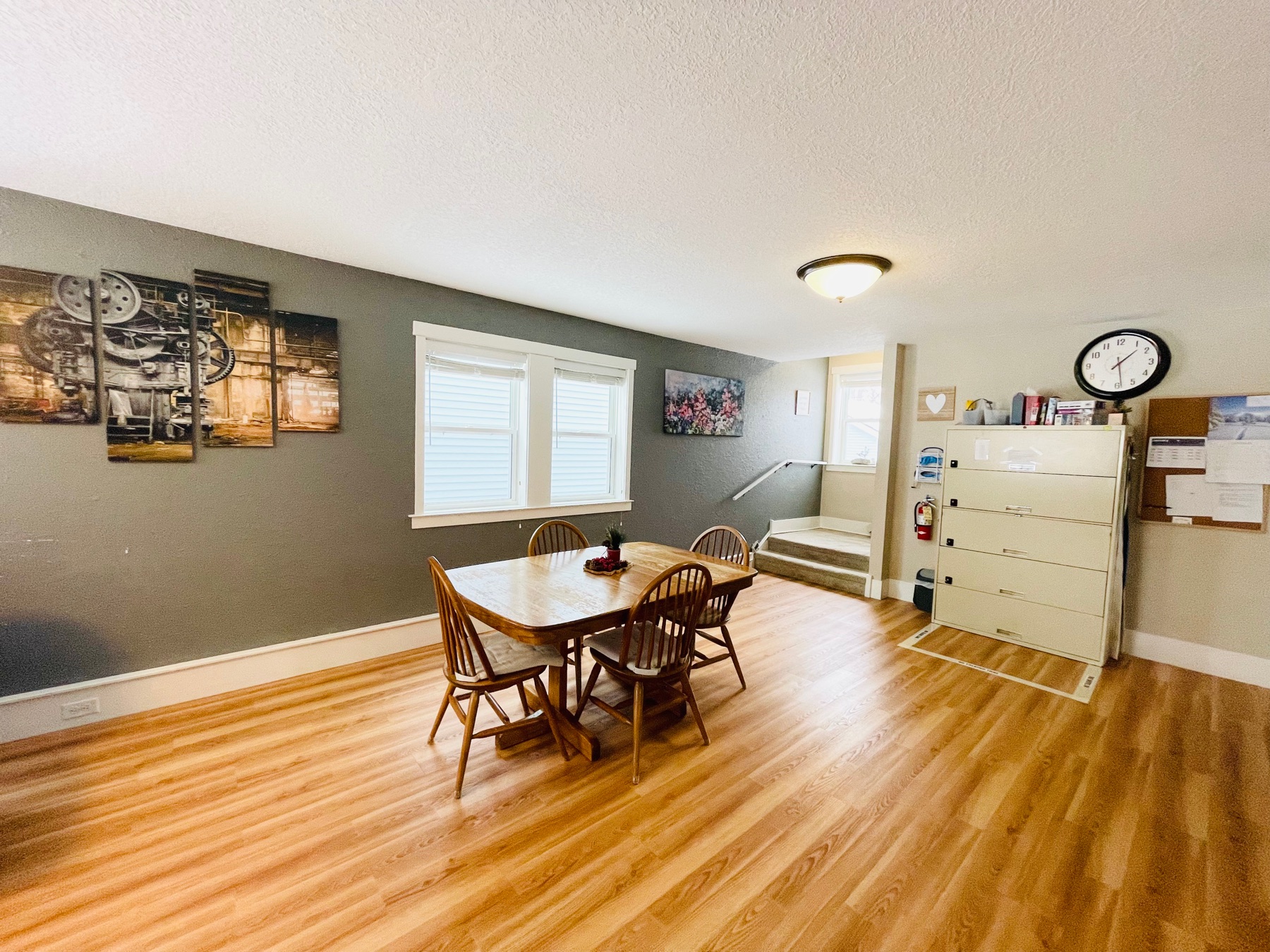
An assisted living tour is more than a look at bedrooms and common areas. It is an opportunity to understand how a residence works when visitors are not present. The most useful tours combine observation, honest questions, and a clear discussion of the prospective resident’s needs.
Before visiting, write down current support needs, important routines, and concerns. Bring another trusted person if possible so one person can listen while the other takes notes. Ask the same core questions at every residence to make comparison easier.
1. What care can you provide now, and what happens if needs change?
Describe the prospective resident’s daily needs honestly. Ask about help with bathing, dressing, toileting, mobility, transfers, meals, medication administration, nighttime needs, and behavioral or cognitive changes. Then ask what the residence cannot provide.
Learn how care plans are developed and reviewed, who participates, and what may trigger a reassessment. Ask whether a change in needs could result in additional fees, outside services, a hospital evaluation, or a move to another setting. Clear limits are a sign of responsible communication.
2. Who is present during the day and overnight?
Job titles alone do not tell the full story. Ask who is physically in the building at different times, who is awake overnight, who supervises care, and how staff receive help during an emergency. Ask about staff orientation, continuing education, and how the residence manages call-outs.
Observe how staff speak with residents. Do they use names, offer choices, and wait for responses? A respectful tone and calm pace can reveal as much as a staffing brochure.
3. How are medications and health changes handled?
Ask who administers medications, how orders are received, which pharmacy is used, and how missed doses or medication concerns are addressed. Learn how appointments, new prescriptions, and hospital discharge instructions are communicated.
Ask what happens when staff notice a change such as unusual fatigue, appetite loss, confusion, pain, or mobility difficulty. The answer should explain documentation, notification, and escalation procedures without making promises about outcomes.
4. What does an ordinary day look like?
Request a realistic picture rather than only an activity calendar. When do residents wake, eat, rest, spend time outdoors, receive visitors, and go to bed? How much flexibility is possible? Are activities adapted for different interests and abilities?
Can residents choose between social time and quiet time?
Are meals shared, and are snacks available?
How are cultural traditions and favorite foods considered?
Can residents participate in household activities if they enjoy them?
How are birthdays, holidays, and faith preferences supported?
5. How will you get to know this particular person?
Ask what information the residence wants from families before move-in. A strong process should go beyond diagnoses and include routines, communication style, favorite foods, interests, family relationships, culture, and sources of comfort.
Find out how preferences are shared among staff and updated over time. Ask how the resident is included in decisions. Personalized care should be visible in daily choices, not only described in marketing language.
6. What is included in the cost?
Request written information about base charges and potential additional fees. Ask about care levels, medication services, supplies, transportation, personal items, deposits, rate changes, and notice requirements. Understand what happens financially during hospitalization or an extended absence.
If a residence accepts public funding programs, ask which programs it currently works with and who can explain the process. Eligibility and program rules can change, so verify current details with Minnesota DHS and the appropriate county or tribal agency. Do not rely only on a verbal estimate when making a financial decision.
7. How do you communicate with families and handle concerns?
Ask who the primary contact will be, how routine updates are shared, and who is available after hours. Learn how complaints are documented and resolved. Ask when families are notified about falls, medication concerns, changes in condition, or emergency services.
Notice whether your questions are welcomed. You should receive clear answers, time to review documents, and permission to follow up. Pressure to decide immediately is a reason to slow down.
What to observe before leaving
Does the home smell clean and feel comfortable rather than staged?
Are walking paths clear and accessibility features appropriate?
Do residents appear appropriately dressed and engaged according to their preferences?
Are meals, rooms, and outdoor areas consistent with what was described?
Can you imagine your loved one’s belongings and routines fitting here?
Aurora Assisted Living LLC welcomes thoughtful questions. We are an RN-owned, small residential assisted living home in St. Paul focused on personalized and culturally responsive care. Contact us to arrange a tour, discuss current availability, and learn what our home can provide. We want families to have enough information to make a careful decision.
Trusted sources and next steps
Use these independent, official resources to verify current information and continue planning:
Minnesota Department of Health: Find Providers, Surveys, Rights, and Complaint Information
Minnesota Department of Health: Assisted Living Contracts and UDALSA
National Institute on Aging: How to Choose a Long-Term Care Facility
This article was reviewed in July 2026. Program rules, care needs, available services, and facility information can change. Confirm decisions with the appropriate government agency, health professional, case manager, and residence.