
Understanding CADI, Elderly Waiver, and Private Pay
A general Minnesota guide to CADI Waiver, Elderly Waiver, and private pay for assisted living, including where families can verify current eligibility.
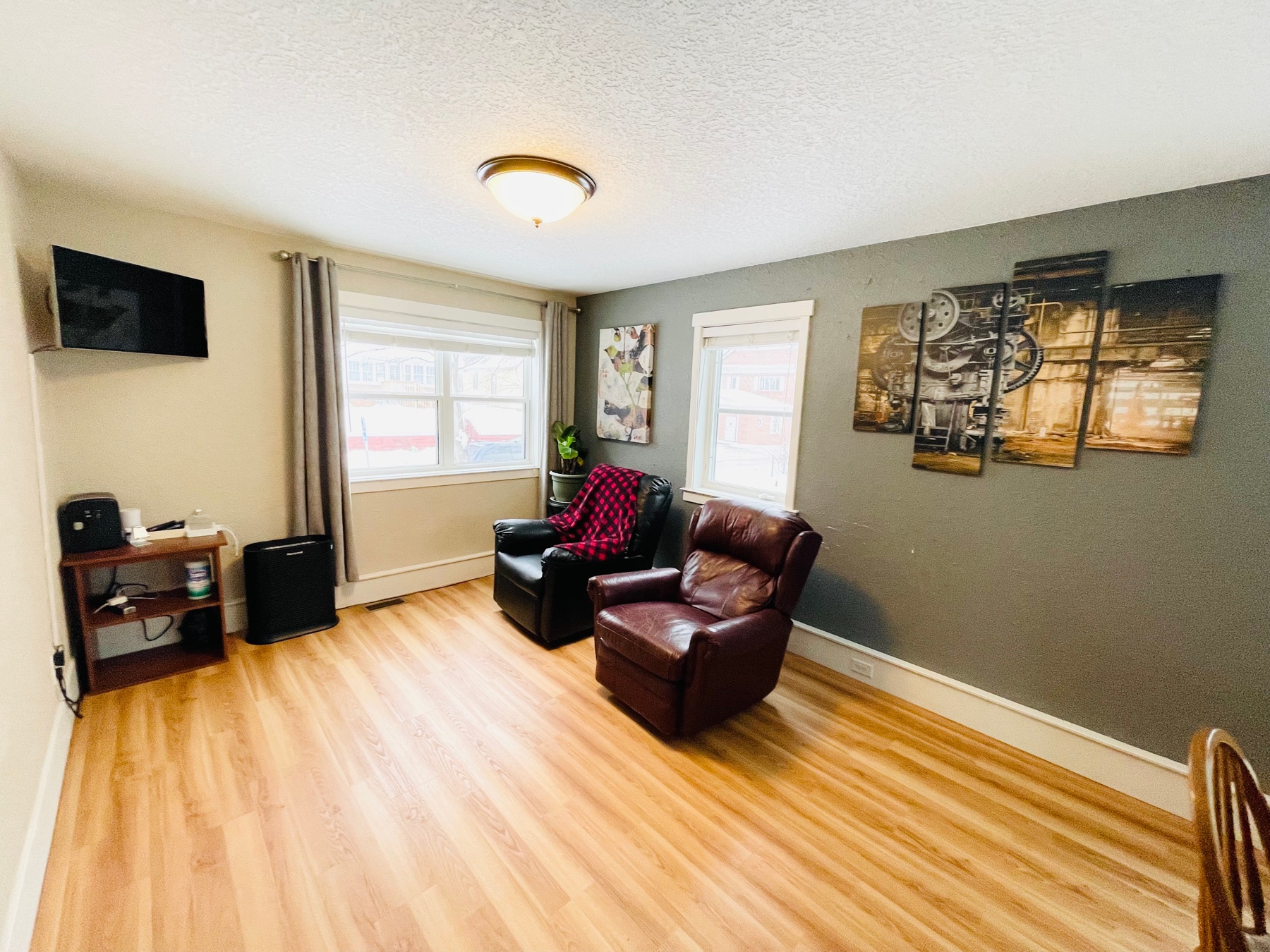
Families exploring assisted living often encounter unfamiliar payment terms. In Minnesota, CADI Waiver, Elderly Waiver, and private pay describe different ways that services may be funded. They are not interchangeable, and acceptance by a residence does not by itself mean that a person qualifies.
This article provides general educational information, not financial, legal, or eligibility advice. Programs, covered services, rates, income and asset rules, and provider participation can change. For current information, contact the Minnesota Department of Human Services, the person’s county or tribal human-services agency, and the assigned case manager or care coordinator.
Start by separating housing costs from services
Assisted living expenses may include both room and board and care-related services. Public programs do not necessarily pay every part of the monthly cost. Families should ask a residence for a written explanation of what is included, which charges are separate, and how payment responsibility may change if care needs increase.
Do not assume that a waiver covers rent, food, deposits, personal expenses, transportation, or every requested service. The individual plan, program rules, provider agreement, and residence contract all matter.
What is the CADI Waiver?
CADI stands for Community Access for Disability Inclusion. In general, it is a Minnesota home and community-based services waiver associated with Medical Assistance for eligible people with disabilities who meet program requirements and need a level of support that would otherwise be provided in a more institutional setting.
The waiver may authorize particular services based on an assessment and an approved support plan. It is not a general coupon for any assisted living residence. The provider must be able and authorized to deliver the approved services, and the person must complete the county or tribal eligibility and assessment process. Minnesota DHS currently lists being under age 65 when the waiver is opened as one CADI eligibility criterion. Because program rules and individual circumstances matter, families should verify current requirements with DHS and the lead agency handling the assessment.
What is the Elderly Waiver?
The Elderly Waiver is another Minnesota home and community-based program. Broadly, it is intended for eligible adults age 65 or older who meet Medical Assistance financial requirements and require the level of care defined by the program. Services are planned through an assessment and care-planning process.
As with CADI, the waiver does not mean every expense is covered. Housing and food obligations may remain, and only authorized services from participating providers are covered. Families should ask the case manager and residence to explain each responsibility in writing.
What does private pay mean?
Private pay means the resident or family pays charges using personal funds or other private resources rather than relying on a public waiver for those services. Sources might include income, savings, long-term care insurance benefits, or family contributions, depending on the individual situation.
Private pay can make placement simpler when funds are available, but families still need a complete fee schedule. Ask about deposits, base rent, care charges, medication administration, supplies, transportation, annual increases, notice periods, and what happens during a hospital stay. Long-term care insurance policies differ, so confirm benefits directly with the insurer.
A simple comparison
CADI Waiver: Generally connected to disability-related eligibility, Medical Assistance, an assessment, and an approved service plan.
Elderly Waiver: Generally connected to age 65 or older, Medical Assistance, assessed level of care, and an approved service plan.
Private pay: The resident or family is financially responsible under the residence agreement, using personal or private resources.
All three: The residence must still determine whether it can safely meet the person’s needs and whether it currently accepts the proposed payment arrangement.
A person’s pathway can also change. Someone may begin as private pay and later explore public assistance, but approval should never be assumed. Planning early with the appropriate agencies can reduce confusion.
Questions to ask the county or case worker
Which program, if any, may fit this person’s age, disability status, finances, and assessed needs?
What assessments and applications are required?
What documents should the family gather?
Which services could be authorized, and which costs remain the resident’s responsibility?
Is there a waiting period or other timing consideration?
How can we confirm that a specific residence and service arrangement are eligible?
Who should be contacted if needs or finances change?
Minnesota DHS publishes program information, but the county or tribal agency generally plays an important role in local assessment and eligibility processes. Use current official sources rather than relying on an older article, social-media post, or another family’s experience.
Questions to ask the residence
Which payment types do you currently accept?
Does acceptance vary by room, service, or availability?
What charges are not covered by a waiver?
Who coordinates documentation with the case manager?
Can we review a sample fee schedule and residency agreement?
What happens if authorization is delayed, reduced, or denied?
How much notice is given before fees change?
Request clear written answers before making commitments. Never provide sensitive financial or medical information through an unsecured channel.
Planning with Aurora
Aurora Assisted Living LLC can explain the payment arrangements we currently accept, our current availability, and the charges associated with our services. We cannot determine public-program eligibility. For an official decision, families must work with Minnesota DHS and the appropriate county or tribal human-services agency.
If you are considering our small RN-owned home in St. Paul, contact Aurora for a tour and a current conversation about services and payment. Bring your case manager’s contact information when applicable so responsibilities can be clarified before move-in.
Trusted sources and next steps
Use these independent, official resources to verify current information and continue planning:
Minnesota DHS: Community Access for Disability Inclusion Waiver
Minnesota Department of Health: Assisted Living Consumer Resources
This article was reviewed in July 2026. Program rules, care needs, available services, and facility information can change. Confirm decisions with the appropriate government agency, health professional, case manager, and residence.